Alternative accommodation helps pay for temporary housing when an insured event makes your home unsafe or unsuitable during repairs.
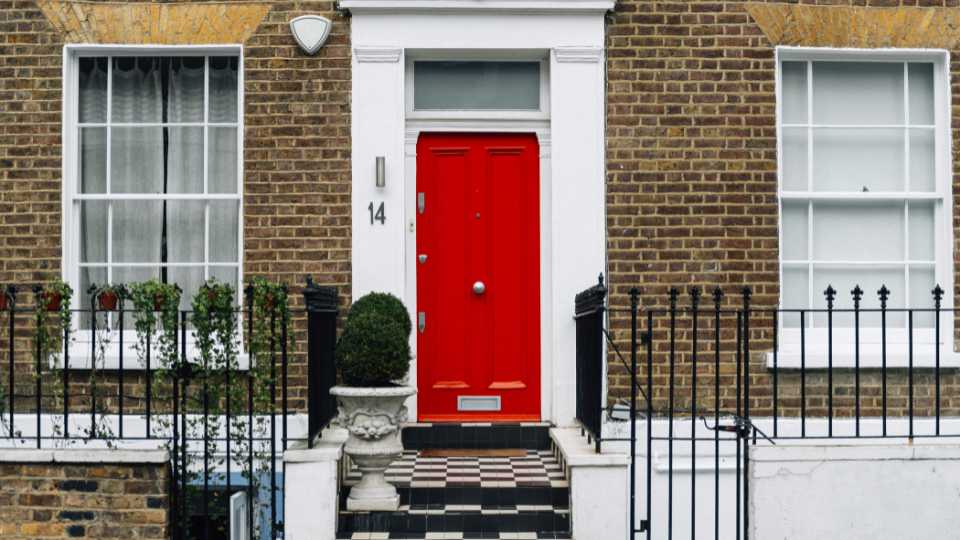
Alternative accommodation is temporary housing if your home cannot be lived in after damage covered by your home insurance policy.
This could happen after a fire, flood, escape of water, storm damage, or another insured event. The Financial Ombudsman Service explains that many home insurance policies include cover where a home is unsafe, lacks key facilities, or cannot be used during repairs.
Alternative accommodation is not general moving cover. It is usually linked to a valid insurance claim under your policy.
In many cases, this cover pays the reasonable extra cost of temporary housing. This might mean a hotel, rented property, serviced flat, or another suitable place to stay.
What is suitable can depend on your household. An insurer may look at your health needs, children, pets, work, school travel, and how long the repairs are likely to take. The Financial Ombudsman Service says suitable accommodation should usually help the household keep normal routines as far as possible.
The cover is subject to your policy wording. Your policy may set a money limit, a time limit, or both.
A home may be treated as unfit to live in if it is unsafe or not suitable for normal use. This could include having no safe water supply, no electricity, no working kitchen, no bathroom, or building work that makes the property unsafe.
The decision can depend on the people living there. For example, damp, dust, noise, or loss of key rooms may affect a household with health needs more than another household. Each case should be looked at based on the facts.
Alternative accommodation may cover rent, hotel costs, or other reasonable extra costs caused by the claim.
Some policies or claims may also allow extra costs linked to the move. The Financial Ombudsman Service gives examples such as extra food costs, laundry, travel, pet care, or council tax where these are reasonable and linked to the claim.
You should keep receipts and records. An insurer may ask for proof of your normal costs and the extra costs caused by the claim.
Check your policy for the alternative accommodation limit, any excess, exclusions, and claim steps.
MoneyHelper explains that alternative accommodation can be an important feature of buildings insurance, but the amount of cover can vary. The ABI also notes that buildings insurance may include alternative accommodation if your home is uninhabitable while repairs are carried out.
You should also check which events are covered. No policy covers every situation. Wear and tear, poor maintenance, or damage outside the policy terms may not be covered.
For landlords, similar issues can arise if a let property becomes unfit for tenants to live in. Depending on the policy, this may link to loss of rent, landlord buildings cover, or alternative accommodation for tenants.
Cover can vary by insurer and policy. It is important to check the policy wording, limits, exclusions, and any conditions that apply.
We arrange home insurance and landlord insurance through insurers. Our home insurance can help with a range of needs, including flood risk, previous claims, unoccupied homes, listed buildings, and other non-standard circumstances.
We do not underwrite every policy ourselves, and cover is not guaranteed. What is available will depend on your details, the property, the claim history, and insurer criteria.
When comparing cover, it helps to look beyond the price. Check the alternative accommodation limit, the exclusions, the excess, and the claim process before you buy.
Alternative accommodation can help if your home becomes unsafe or unsuitable to live in after an insured event. It usually helps with reasonable extra housing costs while repairs are carried out, subject to the policy terms.
The best step is to check your policy early, keep clear records, and ask if you are unsure what is covered.


