An HMO is a rented home shared by at least three people from two or more households, usually with shared facilities.
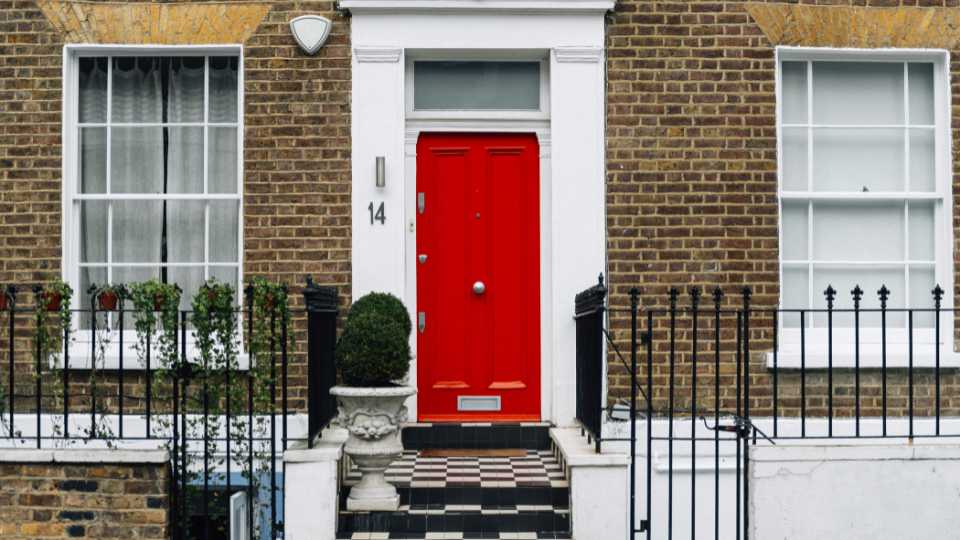
A house in multiple occupation is often called an HMO.
In England, a property is usually an HMO when at least three people live there, they form more than one household, and they share facilities such as a kitchen, bathroom or toilet. This is the basic GOV.UK definition of an HMO.
A household may be one person or members of the same family. For example, three unrelated friends who share a house may form three separate households. A couple living with an unrelated friend may form two households.
Some converted buildings and flats can also meet the wider legal definition in the Housing Act 2004. The exact position can depend on how the building is converted, occupied and managed.
The licensing and planning information below applies to England. Different rules may apply elsewhere in the UK.
An HMO in England will normally need a mandatory council licence when five or more people from two or more households live there and share facilities.
Councils can also introduce additional licensing schemes for smaller HMOs. This means a property with three or four occupants may need a licence in one area but not in another. Landlords should check the current HMO licensing rules with their local council before letting the property.
A licence may set limits on the number of people or households allowed to live in the property. It can also include conditions covering safety, facilities and management.
HMO managers have legal duties relating to matters such as fire precautions, water supplies, drainage, gas and electricity, shared areas and waste. These duties are set out in the HMO management regulations.
Operating an HMO without a licence when one is required is an offence. For relevant offences committed on or after 1 May 2026, a council may prosecute or impose a civil penalty of up to £40,000. The action taken will depend on the circumstances.
A council or tenant may also be able to apply for a rent repayment order. This can require a landlord to repay up to two years’ rent in some cases.
No. Licensing and planning permission are separate requirements.
Changing a family home into a small HMO for up to six occupants may be allowed without a full planning application. However, councils can use an Article 4 direction to remove these rights. Planning permission may then be needed.
The Planning Portal guidance for shared houses explains how local controls may apply. An HMO with more than six occupants will usually fall outside the C4 planning use class and may need permission as a sui generis use. The planning use classes guidance gives more detail.
Having an HMO licence does not confirm that the property has the right planning consent.
Standard home insurance may not cover a property shared by several separate households. Landlords should tell the insurer that the property is an HMO and give full, accurate details about how it is used.
An insurer may ask about:
These details can affect the premium, excess, policy conditions and whether an insurer is willing to offer cover.
Depending on the policy, landlord insurance may include buildings cover, landlord contents and landlord liability. Optional cover may also be available for loss of rent or legal expenses.
Cover will be subject to the policy terms. Limits, excesses and exclusions can vary. Wear and tear, poor maintenance, existing damage and some deliberate tenant damage may not be covered.
We arrange landlord insurance through insurers and can discuss cover for properties with more complex needs, including HMOs.
We will need accurate details about the property, its tenants, how it is managed and any licensing or planning requirements. Acceptance, price and cover will depend on the insurer, the policy and the full details.
Before taking out cover, check that the property is recorded as an HMO where needed. You should also review the policy limits, excesses, security conditions, unoccupancy terms and exclusions.


