Malicious damage by tenants is intentional harm to a rented building, its fixtures or landlord-owned contents.
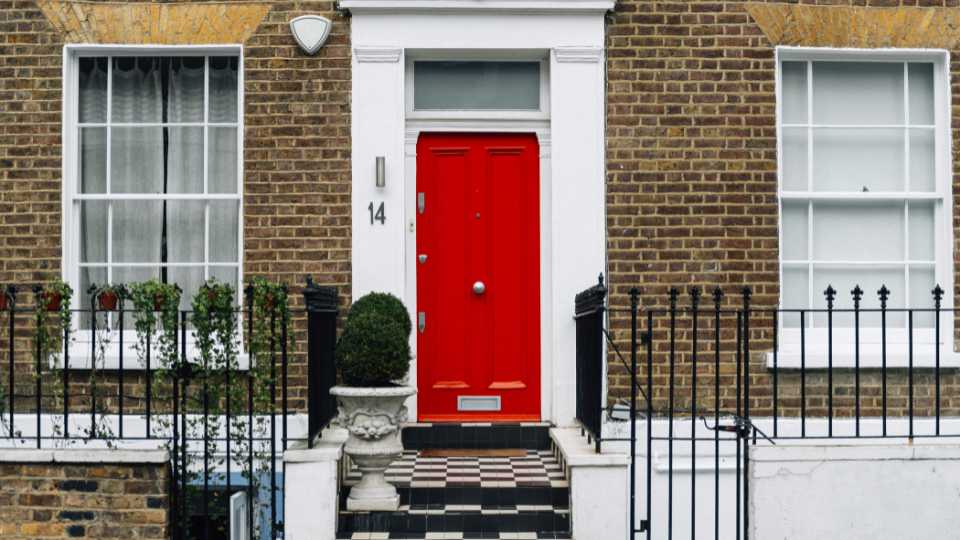
Malicious damage by tenants is deliberate harm caused to a rented property. The damage may affect the building, fixtures and fittings or items owned by the landlord.
The tenant’s intention is important. The Financial Ombudsman Service has considered damage malicious where someone acted with the aim of causing harm, destruction or disruption.
Examples could include:
Each case depends on what happened, the available evidence and the wording of the policy.
A property can be left in a poor condition without the damage being malicious.
Accidental damage happens without intent. Neglect can involve a failure to clean or care for the property. Wear and tear is the gradual decline caused by normal use and age.
Poor workmanship or unauthorised changes may not count either. In some cases, the Ombudsman found that tenants had caused serious damage while making alterations, but the evidence did not show an aim to harm the landlord or property. The insurer could therefore treat the loss as something other than malicious damage. The intention behind the act can affect how a claim is assessed.
Cover is not automatic under every landlord insurance policy.
A general section for vandalism or malicious damage may exclude acts committed by a tenant. Separate tenant damage cover may need to appear on the insurance schedule. Buildings and landlord contents insurance may also have different terms.
A policy may include:
Ombudsman decisions show that tenant damage cover can be separate from general malicious damage cover. The exact protection depends on the insurer and the policy.
A landlord will usually need to show what happened and the condition of the property before and after the tenancy.
Useful evidence may include:
Inventories, photographs and inspection records can help establish whether damage was deliberate. Some policies also require regular inspections or specific tenant checks. These conditions should be confirmed in the policy wording.
Take clear photographs and make a written list of everything affected. Avoid disposing of damaged items until the insurer confirms they are no longer needed as evidence.
Contact the insurer or broker as soon as possible. The Association of British Insurers advises policyholders to report property damage promptly. Keep copies of all messages, reports, receipts and invoices linked to the insurance claim.
A landlord may also seek a deduction from a protected tenancy deposit. Where the tenant disputes this, the tenancy deposit scheme can review evidence from both parties. A deposit decision does not guarantee that an insurance claim will be accepted.
We arrange landlord insurance through a range of insurers. When discussing a property with us, explain who occupies it and ask whether malicious damage by tenants is included.
It is important to check the cover limit, excess, tenant types, inspection conditions and whether both buildings and landlord-owned contents are protected.
Cover, price and acceptance depend on the insurer, the property, the tenancy and the full details provided. Any claim will remain subject to the policy terms and the insurer’s assessment.


