Unoccupied home insurance can cover a property when no one lives there for longer than a standard home policy permits.
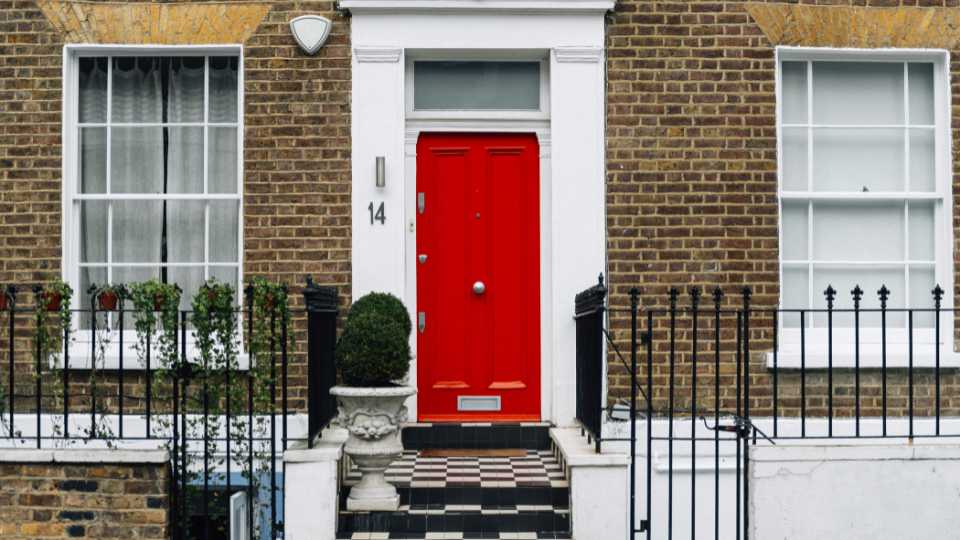
Unoccupied home insurance is cover for a home that will be empty for longer than a standard home insurance policy allows. It may be needed if a property is being sold, renovated, left empty after a death, waiting for tenants, or not being lived in for another reason.
Many standard home policies limit or restrict cover when a property is empty for a set period. The Financial Ombudsman Service says this is often 30 or 60 days, and cover for theft, malicious damage and escape of water may be affected once that limit is reached. The ABI also explains that buildings insurance policies can restrict cover when a home is left empty.
You can also read our glossary guides to unoccupied home and home insurance for related terms.
Unoccupied home insurance can cover risks linked to an empty property. Depending on the policy, this may include fire, storm, flood, theft, vandalism, escape of water, or property owner’s liability.
Cover is not the same with every insurer. Some policies may offer wider protection. Others may exclude certain risks, apply a higher insurance excess, or require regular property checks.
The policy may also set conditions. For example, the insurer may ask for the water to be turned off, the heating to be kept at a set level, the property to be inspected, or certain locks to be fitted. These requirements should be checked in the policy wording.
An empty home can be a higher risk because damage may not be found quickly. A leak, break-in or storm-damaged roof can become more serious if no one is living there.
Check your policy before the home is left empty. Contact your insurer or broker if the home may be empty for longer than the policy allows. Also contact them if the policy says you must report the change. MoneyHelper advises giving correct information when you buy home insurance. It also advises telling your insurer if anything changes.
For consumer insurance, you must take reasonable care not to make a misrepresentation when you take out or change a policy. Section 2 of the Consumer Insurance (Disclosure and Representations) Act 2012 sets out this duty. The Financial Ombudsman Service explains that an insurer may check whether an answer was wrong or incomplete. It may also check whether it would have acted differently with the correct information.
An insurer may ask why the home is empty, how long it will be empty, whether it is furnished, and whether it is being renovated. They may also ask about security, utilities, past claims, flood risk, and how often the property will be checked.
If the property is rented out, the insurer may also ask whether it is between tenants, being repaired, or waiting for a new tenancy. Landlords may need a suitable landlord insurance policy or specialist empty property cover.
The FCA says insurers must give policy information in good time and in a form customers can understand. This helps people make an informed choice. Unoccupied-home cover may have key limits, exclusions and conditions.
At Got You Covered, we help with home insurance where the circumstances are not always standard. This can include unoccupied properties, homes affected by flood, listed buildings, homes undergoing renovation, and other non-standard situations.
We can use the details you give us to look at available options from insurers. Cover, price, excesses, exclusions and acceptance can vary by insurer and by policy. We arrange insurance through insurers and do not underwrite every policy ourselves.
Unoccupied home insurance is designed for a property that will be empty for longer than a standard policy permits. It can be useful for homeowners, landlords, executors and people renovating or selling a home.
Before you choose cover, check how the policy defines “unoccupied”, how long the home can be empty, what is covered, what is excluded, and what you must do while the property is vacant.


