A vehicle modification is a cosmetic, performance or practical change. It may affect the vehicle’s safety, records, value and insurance.
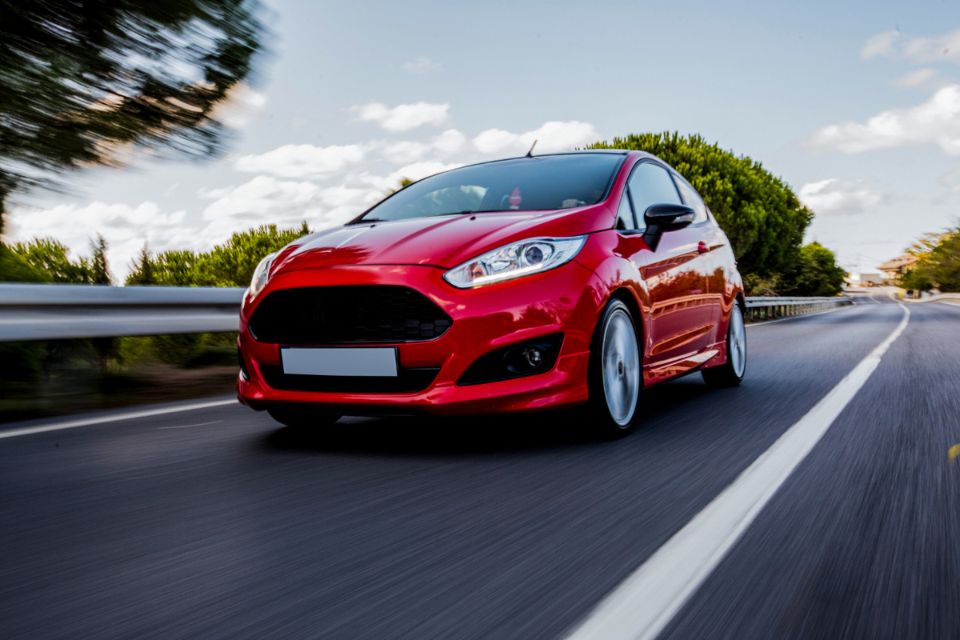
A vehicle modification is a cosmetic, mechanical or practical change to a car or van. Insurers define the term in different ways, but it can include a change from the vehicle’s standard specification, an optional extra or a change made by a previous owner.
Common examples include:
A like-for-like repair may not be treated as a modification. However, insurers can define the term in different ways. Factory-fitted options and changes made by a previous owner may also need to be declared.
Check with the insurer rather than assuming that a change does not count.
A modification can change a vehicle’s power, handling, value, security or repair cost. It may also affect how the vehicle is used.
An insurer may consider these points when deciding:
Some changes may have little effect. Others could lead to a higher price, different terms or an insurer deciding that it cannot cover the vehicle. This will depend on the modification, vehicle, driver and insurer.
A modified vehicle must still have at least the minimum level of motor insurance required by law before it is used on a road or in a public place.
Declaring a modification does not replace the need to give correct details about how the vehicle is used. For example, business, courier or delivery use may require suitable cover. This can be particularly important when arranging van insurance.
Check the policy terms and contact the insurer before making a change where possible. This allows the insurer to confirm whether it will accept the modification and whether the cover, terms or price will change.
MoneyHelper says drivers should provide accurate, up-to-date information and tell their insurer when they modify a car. The policy wording may also require changes made during the policy term to be reported.
When getting a quote or renewing a policy, take reasonable care to answer the insurer’s questions accurately. If incorrect information amounts to a qualifying misrepresentation, the insurer’s response will depend on the circumstances and what it would have done if it had received the correct information.
This may affect the policy terms or a claim and, in some circumstances, may allow the insurer to avoid the policy. The Financial Ombudsman Service explains how it considers complaints involving misrepresentation and non-disclosure.
Give the insurer as much information as you can, including:
Ask for confirmation that the modification has been accepted. Keep this with your other policy documents.
Some changes must also be reported to DVLA.
You must update the details on your V5C registration certificate for specified changes. These include changes to the vehicle’s colour, engine, cylinder capacity, fuel type or seating capacity. Some changes to vehicle weight, body type or identification details may also need to be recorded.
Structural work has separate rules. GOV.UK defines a structural modification as certain work to the chassis, monocoque bodyshell or frame that changes the vehicle’s dimensions or appearance.
You must tell DVLA about a structural modification. GOV.UK also advises getting an MOT after the work and checking that the vehicle insurance remains valid.
The vehicle must remain safe and roadworthy. Structural work should be completed by a suitable specialist.
Check how your policy treats modified parts and accessories.
A policy may place a limit on the amount paid for an accessory. It may also replace a damaged modified part with a standard part rather than an upgraded version.
Like-for-like replacement and an agreed vehicle value are not automatic. They must be included in the policy terms.
You should also check whether the modification changes the vehicle’s use. Van racking, refrigeration equipment, specialist tools or extra seating could affect how a van needs to be insured.
Other factors, such as previous claims, motoring convictions and a low no-claims bonus, may also affect underwriting.
We arrange car insurance and van insurance for people whose circumstances may not suit a standard policy. This includes some drivers with previous claims, a low no-claims bonus or motoring convictions. You can also read about our convicted driver insurance.
If a vehicle has been modified, give us a full list of the changes. We can provide those details to insurers on our panel, but we cannot guarantee that an insurer will accept the vehicle or cover modified parts. Acceptance, cover, terms and price will depend on the insurer, the vehicle, the changes and the driver.
A vehicle modification can be cosmetic, mechanical or practical. Even a small change may need to be declared, depending on the insurer and policy.
Tell your insurer before making changes where possible. You should also check whether the V5C needs to be updated or the change must be reported to DVLA.
Keep records of the work and read the policy wording carefully so that you understand how the vehicle and modified parts are covered.


