Listed building insurance is cover for a protected home or let property that may need specialist materials, consents and careful rebuild-cost checks.
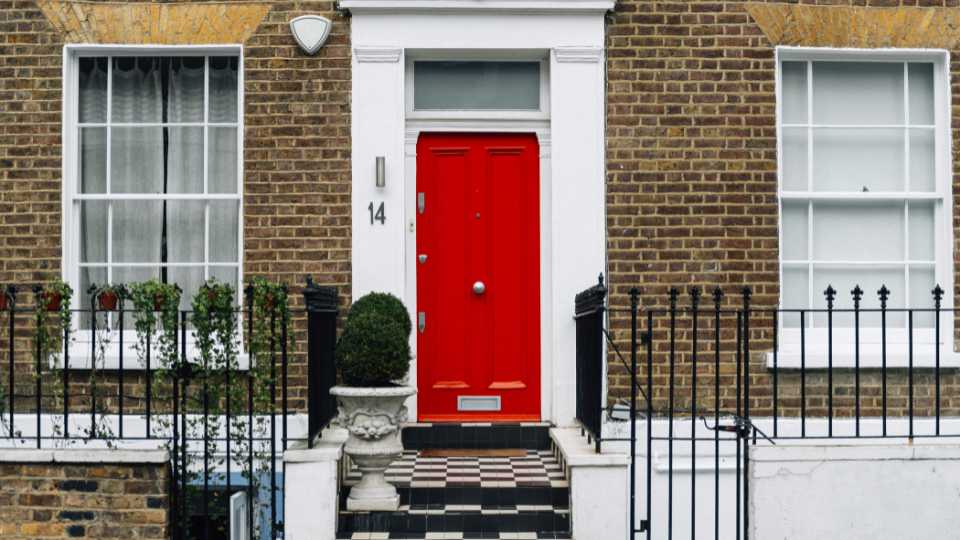
Listed building insurance is home insurance for a property with listed status. It can apply to a home you live in or to a listed property you rent out.
A listed building is legally protected because it has special architectural or historic interest. In England, listed buildings are recorded on the National Heritage List for England. They may be Grade I, Grade II* or Grade II, with Grade II being the most common grade for homes.
Listed building insurance is not always a separate product. It is often a specialist form of home insurance, buildings insurance or landlord insurance, depending on how the property is used.
Listed status can affect how a property is repaired, altered or rebuilt. It does not mean no changes can ever be made. But work that affects the character of the building may need listed building consent.
This can matter after a claim. If a listed home is damaged by fire, flood, storm or escape of water, repairs may need specialist materials, skilled trades and approval from the local planning authority. That can affect the time and cost of the work.
Carrying out unauthorised work to a listed building can be a criminal offence. Historic England explains that listed building consent is separate from planning permission, and both may be needed in some cases.
Some insurers treat listed homes as non-standard home insurance risks. This is because the property may be older, built with less common materials, or more costly to repair.
The rebuild cost is especially important. It should reflect what it could cost to repair or rebuild the property, not just the market value. The ABI explains that buildings insurance covers the structure of the home, while contents insurance covers possessions.
Underinsurance can cause problems if the amount insured is too low. The Financial Ombudsman Service says home insurance complaints can involve disputes about rebuild cost, contents value and whether enough cover was in place.
An insurer may ask for the listing grade, age, construction, rebuild cost, past claims and whether the property is lived in, let out or left empty. They may also ask about flood risk, subsidence, planned works or past alterations.
You should answer questions carefully and check your policy wording. A policy may include limits, exclusions, excesses and conditions. These can affect claims for accidental damage, escape of water, storm damage, flood damage, unoccupied periods and repair work.
If the property is rented out, standard home insurance may not be enough. You may need landlord cover for a let property instead.
We arrange home insurance and landlord insurance through insurers. We may be able to help with listed homes, non-standard homes and rental properties, depending on the full details.
Cover, price, excesses and acceptance can vary by insurer and policy. We will not underwrite every policy ourselves, and cover is always subject to the policy terms.
Listed building insurance is cover for a protected home or let property. It should reflect the legal status of the building, the likely repair needs, the rebuild cost and the way the property is used.
Before choosing cover, check the policy limits, exclusions, excesses and conditions. For listed properties, it is also wise to check whether consent may be needed before work is carried out.


