A listed building is protected for its heritage value. Owners may need consent for work, and insurers may treat it as specialist.
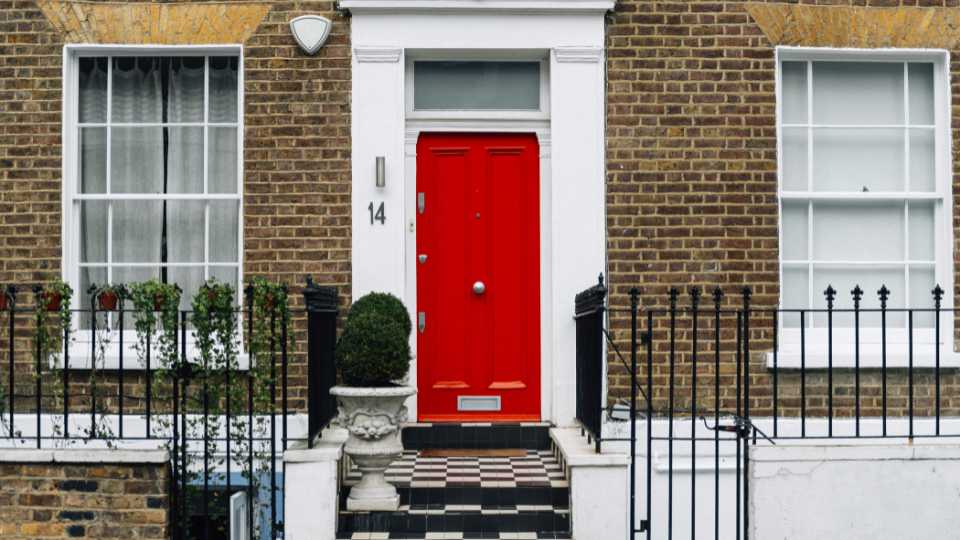
A listed building is a building that has been given legal protection because it has special architectural or historic interest. In England, listed buildings are recorded on the National Heritage List for England.
A listed building is not always just the outside of the property. Listing can cover the whole building, including the inside. It can also include attached structures, fixtures and some older buildings within the property boundary. This means it is important to check the listing before making plans.
In England, listed buildings are graded as Grade I, Grade II* or Grade II. Historic England explains that Grade I buildings are of exceptional interest, Grade II* buildings are particularly important, and Grade II buildings are of special interest.
A listed building can still be repaired, improved or changed. But you may need listed building consent before carrying out work that affects its special character.
This can include demolition, extensions, alterations, internal changes, repairs using different materials, or changes to important features. The rules depend on the building and the work being planned.
You may also need planning permission or building regulation approval as well as listed building consent. GOV.UK guidance says carrying out work that needs listed building consent without getting it first can be a criminal offence.
Before starting work, it is sensible to check the list entry and speak to the local planning authority. Do not assume small or internal work is always exempt.
Listed buildings can be more complex to insure than standard homes. This is because repairs may need specialist materials, skilled trades or like-for-like reinstatement.
For example, a listed home may have lime plaster, timber frames, stonework, handmade tiles or other older features. Repairing these can cost more and take longer than repairing a modern property.
This can affect the buildings insurance you need. The ABI explains that the rebuild cost is the cost of fully rebuilding your home if it is destroyed beyond repair. It also says owners of listed buildings should consider professional advice from a chartered surveyor.
Your rebuild cost is not the same as the market value. It should reflect the cost of rebuilding the property, including materials, labour and professional fees. For listed buildings, this figure may need more care.
An insurer may ask about the property’s age, listing grade, construction type, roof, rebuild cost, claims history and whether the home is lived in, unoccupied, being renovated or let to tenants.
You should answer these questions carefully. The Financial Ombudsman Service explains that consumers must take reasonable care not to make a misrepresentation when buying or renewing insurance.
If key details are wrong or missing, the insurer may decide it would have offered different terms, charged a different price, restricted cover or not offered cover at all. What happens will depend on the policy, the facts and the rules that apply.
Check the policy wording, cover limits, exclusions and excesses before you buy. You may also want to check alternative accommodation cover, trace and access cover, accidental damage and rules for unoccupied periods.
If the property is rented out, you may need landlord insurance rather than standard home insurance. If the property has unusual materials or older construction, non-standard home insurance may be relevant.
At Got You Covered, we arrange home insurance and landlord insurance for a range of property types, including homes that may need specialist cover.
We may be able to help you discuss options for a listed building, depending on the property, the insurer and the full details you provide. Cover, limits, exclusions, excesses and price will depend on the policy terms.
A listed building is protected because of its heritage value. This can affect repairs, alterations and insurance. Before work starts, check whether consent is needed. Before buying cover, make sure the insurer has accurate details about the property, its listing and its rebuild cost.


