Standard construction usually means a home built from common materials, such as brick or stone walls and a tile or slate roof.
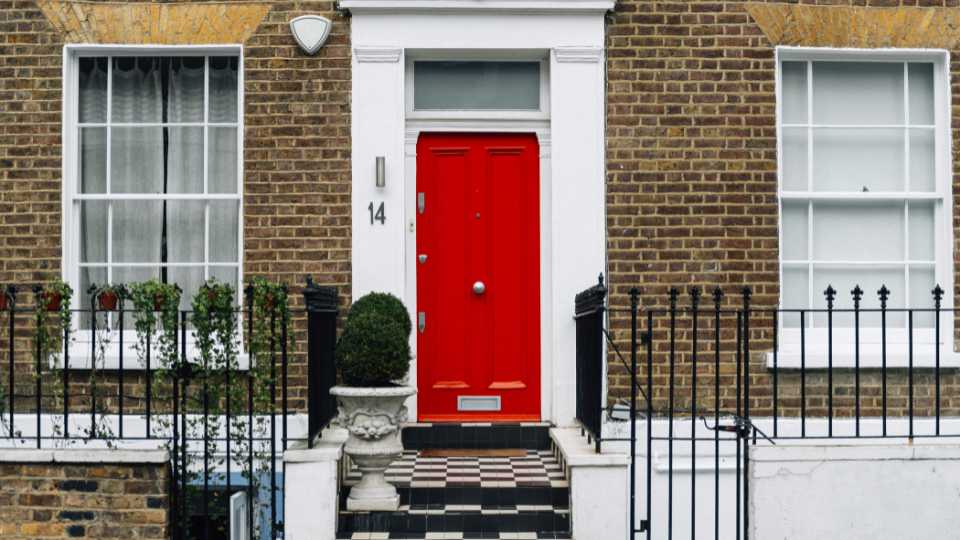
Standard construction is an insurance term used to describe a home built with common materials.
In many home insurance quotes, this means brick or stone walls with a tiled or slate roof. Some insurers may use the term “BSST”, which means brick, stone, slate and tile.
It is not a fixed legal definition. Each insurer can set its own rules. A home may look standard from the outside but still have a timber frame, flat roof, concrete panels, unusual cladding, or a non-standard extension.
If a property does not meet an insurer’s standard construction rules, it may be treated as non-standard construction. This does not always mean the property cannot be insured, but it can affect the questions asked, the price, the policy terms, or the insurers willing to quote.
The way a home is built can affect how easy it is to repair, rebuild and insure. The ABI says insurers can look at the method of construction, rebuild cost, location, flood risk, subsidence risk and claims history when working out buildings insurance premiums.
A standard construction home may be simpler for many insurers to assess. But it does not mean cover is automatic. Your quote can still depend on where the property is, how it is used, its condition, past claims, flood risk, subsidence history, and whether it is left empty for long periods.
For more detail on the main type of cover for the structure of a home, see our glossary page on buildings insurance.
Buildings insurance covers the structure of the home, such as the walls, roof and windows, plus permanent fixtures and fittings, depending on the policy. The ABI explains that buildings insurance is designed to cover the cost of repairing or rebuilding the home if it is damaged by an insured event.
Construction type can also affect the rebuild cost. This is the estimated cost of rebuilding the home, not its market value. The ABI says the rebuild cost includes labour and materials and is often different from the sale price of the property.
MoneyHelper also explains that buildings insurance should be enough to clear the site and rebuild the home if it was destroyed. If the sum insured is too low, you may be underinsured. This can affect how much an insurer pays if you make a claim.
You can read more in our glossary pages on home insurance and rebuild cost.
Check the main walls, roof, flat roof areas, extensions, garages, outbuildings and any unusual materials. You should also check if the property is listed, has had subsidence, has flooded before, is let to tenants, or is left empty for long periods.
When an insurer or broker asks about construction, answer as accurately as you can. The Financial Ombudsman Service says misrepresentation and non-disclosure can happen when information given to an insurer is wrong, incomplete or misleading.
You should also read your policy wording, schedule and assumptions. The Financial Ombudsman Service says poor estimates or unclear answers can lead to underinsurance problems, including a reduced claim payment or a claim being declined, depending on the case.
A property can be standard construction and still need landlord insurance if it is rented out. Standard home insurance is not usually designed for let properties.
Landlord insurance can include buildings cover, landlord contents, loss of rent, property owners’ liability, legal expenses and tenant-related risks, depending on the policy. You can find out more in our glossary page on landlord insurance.
Insurers may ask extra questions about the tenant, tenancy type, occupancy, property condition, security and claims history. Cover, exclusions and acceptance can vary by insurer and by policy.
We can help you look for home insurance or landlord insurance based on the full details of the property.
This may include the construction type, rebuild cost, flood or subsidence history, occupancy, claims history and how the property is used.
We arrange insurance through insurers. We do not underwrite every policy ourselves. Cover is always subject to insurer acceptance and policy terms.
Standard construction usually means a home built with common materials, such as brick or stone walls and a tiled or slate roof.
It can help insurers assess the risk, but it is only one part of a home insurance quote. Always check the construction details, rebuild cost, policy terms and any questions asked before taking out cover.


