Non-standard construction means a home has materials, design, or structure that some insurers assess differently from a typical home.
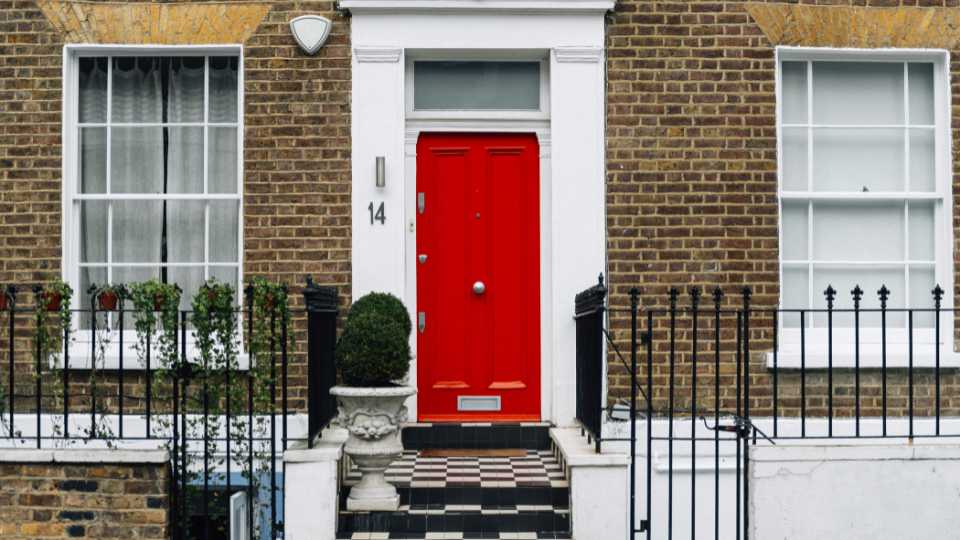
Non-standard construction means a home has been built using materials, methods, or roof types that sit outside what many insurers treat as a typical property.
A standard home is often built with brick, stone, or concrete walls and a tiled, slate, or concrete roof. The exact definition can vary by insurer. Some insurers may class a property as non-standard if it has a timber frame, thatched roof, steel frame, concrete panels, prefabricated parts, or a high amount of flat roof.
Non-standard does not mean the home is unsafe or badly built. It means the insurer may need more information before deciding whether to offer cover, what terms to apply, and how to price the risk.
Construction type can affect the cost and ease of repair. RICS explains that insurers may treat non-standard buildings differently. They may ask more questions, apply different terms, charge a higher premium or decide not to offer cover.
Some materials need specialist repair. Some older homes may need traditional skills. Some modern methods of construction may use systems or components that an insurer wants to review in more detail.
This can be important if you are buying, selling, renovating, letting, or renewing cover on a property.
A non-standard property may still be insurable, but cover depends on the insurer, the property, and the policy terms.
An insurer may ask about:
If your property is let, you may also need landlord insurance rather than a standard home policy. Our landlord insurance may be able to help with rental properties that need a more tailored approach.
For buildings insurance, the rebuild cost is not the same as the market value. The ABI explains that rebuild cost is the amount it would cost to completely rebuild your home if it was destroyed, including labour and materials.
For non-standard construction, the rebuild cost can be harder to work out. The ABI says owners of non-standard or listed homes may need a surveyor to calculate the rebuilding cost. RICS also has a professional standard for surveyors who carry out reinstatement cost assessments.
Getting this figure wrong can cause problems. MoneyHelper warns that if the sum insured is not enough to rebuild the home, the insurer might not pay the full amount of a claim, even for partial damage under buildings insurance.
Answer questions about your property as clearly and accurately as you can. For consumer insurance, the Consumer Insurance (Disclosure and Representations) Act 2012 says you must take reasonable care not to make a misrepresentation before entering into or changing the policy.
The Financial Ombudsman Service explains that misrepresentation can include giving incomplete or misleading information when taking out a policy or making changes to it. This can lead to claim or policy problems if the insurer would have acted differently with the correct facts. You can read more about misrepresentation and non-disclosure.
For landlord or other non-consumer policies, different duties may apply. The Insurance Act 2015 says the insured must make a fair presentation of the risk before the contract is entered into.
At Got You Covered, we arrange insurance through insurers for homes that may not fit a standard quote route. This can include properties with flood risk, subsidence history, unoccupancy, renovation work, listed status, or other non-standard features.
Our home insurance service is built for people whose property needs a closer look. We can take details of the property and look for suitable options where we can.
We do not underwrite every policy ourselves. Cover, price, exclusions, excesses, and acceptance depend on the insurer, the information provided, and the policy wording.
Non-standard construction is a broad home insurance term. It can affect how an insurer views the property, what questions they ask, and what terms they offer.
The key points are to understand how your home is built, check the policy wording, give accurate details, and make sure the rebuild cost is suitable for the property.


