Why Accurate Details Matter When Getting a Car Insurance Quote
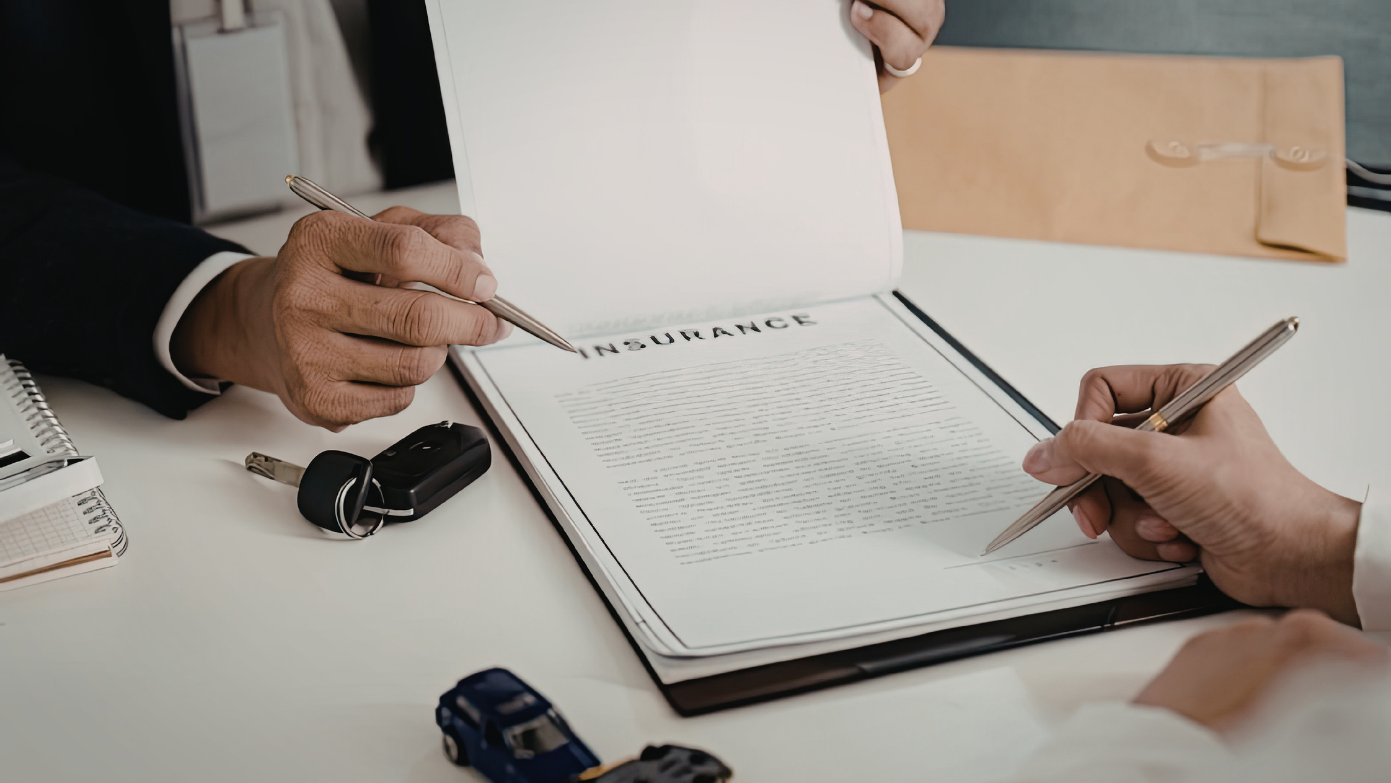
If you want an accurate car insurance quote, the details you provide need to reflect your actual situation. Insurers use that information to work out the price, the terms, and sometimes whether they can offer cover at all.
If your details are wrong, your price may be wrong too. In some cases, wrong car insurance details can also cause problems later if you need to claim.
Under the Consumer Insurance Act 2012, consumers must take reasonable care not to give misleading or incomplete information when taking out or changing an insurance policy.
This matters whether you get a quote online, use a comparison site, or answer questions over the phone. It also matters when you renew.
At Got You Covered, we know that mistakes can happen. But it is always better to correct an error early than wait until you need to make a claim.
Why do insurers ask so many questions?
Insurers ask questions to understand the risk they are being asked to cover.
These details can include:
- who drives the car
- where the car is kept
- how the car is used
- annual mileage
- job title
- claims history
- driving convictions
- modifications
- no-claims bonus
MoneyHelper explains that insurers use details such as your age, postcode, car, mileage, claims history, convictions and no-claims bonus when working out cover and price.
This is why small details can make a difference. Your occupation can matter. So can where the car is kept overnight. The way the car is used can also affect the quote.
A cheaper quote is only useful if it is based on the right details.
What details need to be accurate?
When you get a quote, check each answer before you buy. Do not guess if you are unsure. Ask the insurer or broker what the question means.
Driver details
Make sure these details are correct:
- name
- date of birth
- address
- occupation
- licence type
- how long you have held your licence
- driving convictions
- penalty points
- accidents and claims
- named drivers
Do I need to tell insurance about points?
Yes. If the insurer asks about points, convictions or driving offences, you should answer fully and correctly.
If you are not sure what is on your licence, you can use the GOV.UK service to view or share your driving licence information.
Vehicle details
Check the car details carefully, including:
- registration number
- make and model
- vehicle value
- modifications
- where the car is kept overnight
- whether the vehicle is owned, leased or financed
You can use the DVLA vehicle information service to check key vehicle details.
How the car is used
You also need to choose the right class of use. This may include:
- social use
- commuting
- business use
- delivery or courier use, where relevant
- who the main driver is
- named drivers
MoneyHelper warns that giving the wrong use of the car can cause problems. For example, social use is not the same as commuting.
It also warns about “fronting”. This is when someone is named the main driver even though they are not the one who drives the car most often. This can put claims at risk and may be treated as fraud.
Common mistakes people make when getting a car insurance quote
Many car insurance quote mistakes are simple. But they can still affect the price or cover.
Common mistakes include:
- choosing the wrong job title
- guessing annual mileage
- forgetting old claims
- not declaring penalty points
- using the wrong address
- saying the car is kept somewhere it is not
- missing vehicle modifications
- adding the wrong main driver
- not checking no-claims bonus proof
- not updating details after a change
Some people also forget to declare non-fault accidents when asked. If the question asks about accidents or claims, you should answer based on the wording of the question.
If you are not sure, ask before you buy.
What happens if your car insurance details are wrong?
Not every mistake has the same outcome. What happens may depend on:
- what detail was wrong
- whether it was a small mistake or a key fact
- whether the insurer would still have offered cover
- whether the insurer would have charged a different price
- whether a claim has already been made
The Financial Ombudsman Service explains misrepresentation and non-disclosure. Misrepresentation is where information given to the insurer was incomplete or misleading. Non-disclosure is where relevant information the insurer asked for was left out.
If your car insurance details are wrong, the insurer may:
- change the quote price
- update the policy
- charge an extra premium
- add or change policy terms
- reduce a claim payment
- refuse a claim
- cancel or void the policy
Under the Consumer Insurance Act 2012, the result can depend on whether the mistake was careless, deliberate or reckless. It can also depend on what the insurer would have done if it had been given the correct information.
These issues often come up when a claim is made. The insurer may then check the policy details and compare them with the facts.
Can wrong details invalidate car insurance?
Wrong details can cause serious problems in some cases. This is more likely if the incorrect information would have changed the insurer’s decision to offer cover, the price, or the terms.
For example, a claim may be affected if:
- a conviction was not declared when asked
- the wrong person was named as the main driver
- the car was used for work when only social use was selected
- a modification was not declared
- the address or overnight parking location was wrong
- previous claims were left out
This does not mean every honest mistake will invalidate a policy. But incorrect car insurance details can lead to extra checks, price changes, claim disputes, or cancellation.
Do you need to update your insurer if something changes?
Yes. If something changes that could affect your policy, you should contact your insurer or broker.
This can include:
- moving house
- changing job
- changing where the car is kept
- changing how the car is used
- adding a driver
- changing vehicle
- modifying the vehicle
- getting points or a conviction
- having an accident or claim
MoneyHelper also says you should tell your insurer about key changes, such as changing address, using the vehicle for business, getting points, changing occupation, modifying the car, having an accident or changing where the car is parked.
Online quotes vs phone quotes: why accuracy matters for both
Whether you get a quote online or over the phone, the same rule applies: check the details before you buy.
Online forms rely on you choosing the right answers. Phone quotes rely on you giving full and clear information.
If you do not understand a question, ask what it means. If a question gives several options, choose the one that best matches your real situation.
After you receive a quote or buy a policy, check the documents. Look at the driver details, vehicle details, use of the car, no-claims bonus, convictions, claims and excesses.
If something looks wrong, contact the insurer or broker as soon as possible.
What should you do if you made a mistake?
If you notice a mistake on your quote or policy, try not to panic. Mistakes can often be fixed.
You should:
- contact your insurer or broker as soon as possible
- explain what needs correcting
- ask if the change affects the price or cover
- ask for updated documents
- keep a record of the change
- check the new documents carefully
The Financial Ombudsman Service warns about the risks of getting insurance details wrong and says customers should read the small print and speak to their insurer if their circumstances change.
If there is a dispute about a claim, you should usually complain to the insurer first. Citizens Advice explains what to do if there is a problem with an insurance claim. If you are not happy with the final response, you may be able to take the complaint to the Financial Ombudsman Service.
Why this matters for drivers with convictions, claims or low no-claims bonus
Accurate details matter for every driver. But they can matter even more if you have:
- previous claims
- accidents
- penalty points
- motoring convictions
- cancelled or refused insurance, if asked
- a low or zero no-claims bonus
Some drivers worry that declaring everything will make the quote more expensive. But leaving information out can cause bigger problems later.
For example, GOV.UK explains that endorsements can stay on your driving record for 4 or 11 years, depending on the offence. If you are unsure what is on your record, check before you apply.
A quote based on the right details is more useful than a cheaper quote based on information that does not match your situation.
At Got You Covered, we help drivers who may find standard insurance harder to arrange. This includes drivers with motoring convictions, previous claims, and a low or zero no-claims bonus.
What to prepare before applying for car insurance
Before you apply, gather the right information. This can help you avoid guessing.
You may need:
- your driving licence details
- your current address
- your job title
- your annual mileage estimate
- details of previous claims or accidents
- details of penalty points or convictions
- proof of no-claims bonus
- vehicle registration
- vehicle value
- details of any modifications
- details of named drivers
- how the vehicle will be used
If you need help with no-claims proof, our guide to what a no-claims discount is and where you can access it may help.
You may also find our guide to what affects your car insurance premium useful before getting a quote.
Quick checklist before buying car insurance
Before you buy, check:
- Your name, date of birth and address are right.
- Your job title is accurate.
- Your annual mileage is realistic.
- The right person is listed as the main driver.
- Any named drivers are correct.
- Your claims and accidents have been declared where asked.
- Your points and convictions have been declared where asked.
- The car registration, make and model are right.
- Any modifications have been declared.
- The correct use of the car has been selected.
- Your no-claims bonus matches the proof you have.
- Your contact details are correct.
- You understand the excess and policy terms.
- You have checked the documents before the policy starts.
Getting insured with Got You Covered
At Got You Covered, we arrange insurance for drivers with motoring convictions, previous claims, and low or zero no-claims bonus.
Our car insurance service is built for drivers whose circumstances may not fit a standard quote. We can also help with convicted driver insurance, including drivers with points or previous motoring offences.
If you have several speeding points, our blog on car insurance with multiple speeding points may help.
If you need cover for a van, see our van insurance page.
We ask for accurate details because that gives us the best chance of helping you find cover that matches your real situation. You can start a quote online or contact us if you need help.
FAQ
Do I need to tell my insurer about points?
Yes. If your insurer asks about points, convictions or driving offences, you should answer accurately. You can check your record using the GOV.UK driving licence service.
Do I need to tell my insurer about an accident?
If your insurer asks about previous accidents or claims, you should include the correct information. This may include accidents where you were not at fault, depending on the question asked.
What happens if my car insurance details are wrong?
It depends on what is wrong and how important the detail is. Your insurer may correct the policy, change the price, charge an extra premium, reduce a claim, refuse a claim, or cancel the policy.
Can wrong details invalidate car insurance?
They can in some cases, especially if the wrong details affect the insurer’s decision to offer cover or the price they would have charged. Not every honest mistake has the same result, but it is best to correct errors as soon as you notice them.
What if I made an honest mistake on my quote?
Contact your insurer or broker as soon as you notice. Explain what is wrong and ask for the policy to be corrected. It is better to fix an error early than wait until you need to claim.
Do I need to check my renewal details?
Should I tell my insurer if I modify my car?
Yes, if your insurer asks about modifications or if your policy says you must report changes. Modifications can affect the risk, price and cover.
Is it better to get a quote online or over the phone?
Both can work. The important thing is that the details are accurate. Online forms rely on you choosing the right answers. Phone quotes rely on you explaining your situation clearly.
Our latest articles.
The latest news and advice from our industry experts.