High End Vehicle Insurance: What Makes a Car "High-End" and Why It's Often Classed as Non-Standard
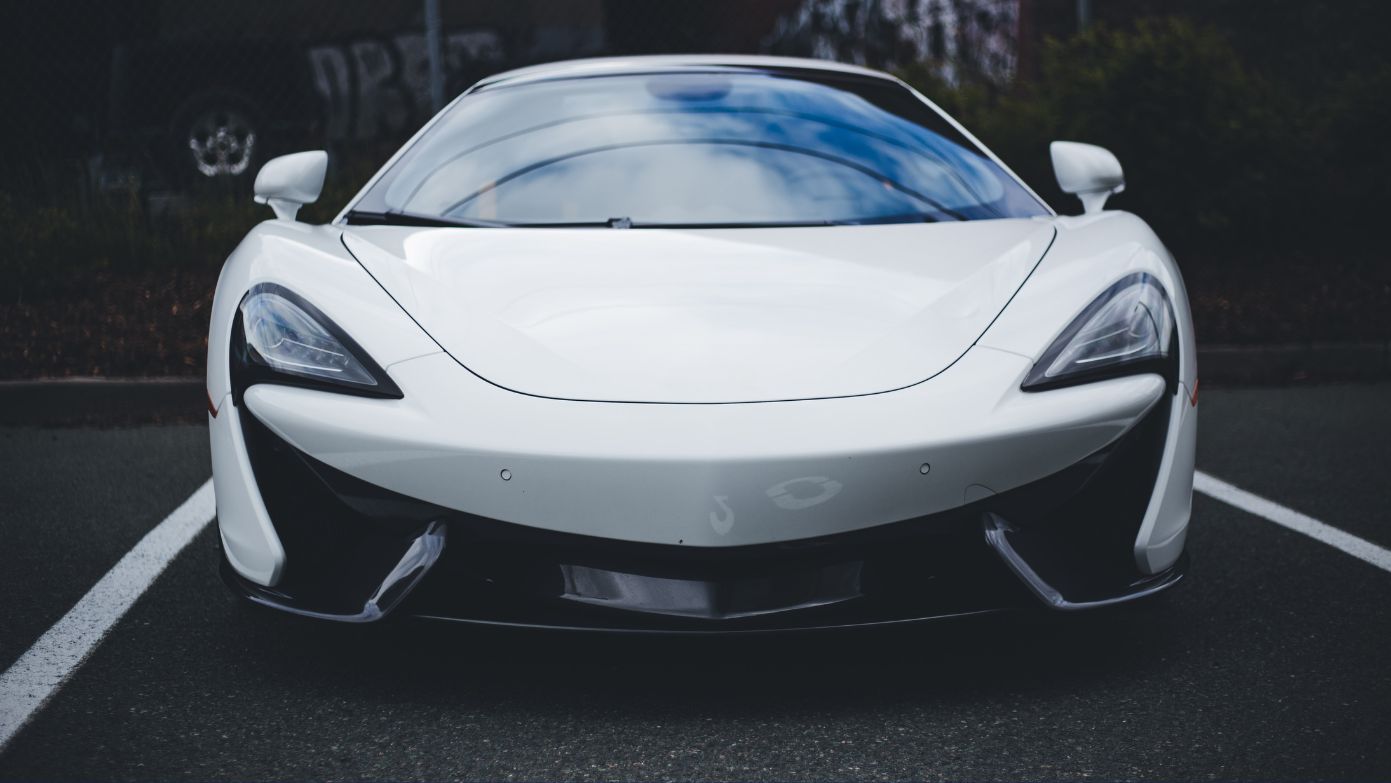
If you own a high-end or high-value car, everyday car insurance may not be the right fit. That is where high-end vehicle insurance comes in. It is built for cars and vehicles that cost more to repair, replace, and secure. These vehicles are often treated as non-standard insurance risks, even when the driver has a clean record.
What is a "high-end" or prestige vehicle?
There is no single legal definition. Insurers look at a mix of value, build, and risk. A vehicle is more likely to be classed as "high-end" when it has one or more of the points below.
1) High market value or replacement cost
A high-end vehicle is usually worth far more than the average car. That matters because the insurer may need to pay more after:
- Theft.
- A write-off.
- Major accident damage.
- Fire or flood damage.
Even smaller claims can be costly. Just a scrape on a high-end car can involve sensors and specialist parts.
2) Complex repairs and specialist parts
Many high-end cars need specialist repair methods. Parts may be:
- Harder to source.
- More expensive.
- Slower to deliver.
- Only fitted by approved repairers.
This can push up claim costs and repair times.
3) Higher theft appeal
High-value vehicles can attract more attention. Some are targeted because parts can be sold on, or the entire car can be shipped overseas and sold.
If you want a UK view on theft and how to protect your car, this article is a good starting point:
Keyless car theft devices: new laws and how to protect your car
4) Performance and driving characteristics
Performance can affect risk, it does not mean the driver is reckless. But it can mean:
- Faster acceleration.
- Stronger braking systems and tyres.
- Higher repair costs after impact.
- More expensive and advanced safety and control systems.
5) Rarity, collectability, or custom work
Some vehicles are rare, imported, or heavily customised. That can make value harder to pin down. It can also make repairs more specialist.
Higher claim severity
If something goes wrong, the bill can be significant. The insurer might face:
- Higher theft payouts.
- Higher write-off costs.
- More expensive parts and labour.
- Longer hire car periods due to repair delays.
More specialist cover needs
Standard policies are designed for "average" use and "average" value. High-end owners often need extras such as:
- Agreed value options.
- Specialist repairs.
- Higher cover limits.
- Cover for bespoke upgrades.
Wider "profile" factors (even with an excellent driving record)
Insurers may also take into account:
- Where the vehicle is kept overnight.
- How it is secured.
- How often it is driven.
- Whether it is used abroad.
- Whether there are named drivers.
- Past claims or motoring convictions.
If any of these sit outside an insurer's comfort zone, the vehicle can be treated as non-standard.
What to look for in high-end vehicle insurance
When searching for high-end vehicle insurance, it's essential to consider several key factors to ensure that your insurance cover aligns with the actual cost of owning a high-value car. Here's what to look for:
Agreed value vs market value
Many standard policies settle claims using market value at the time of loss. For some high-end cars, that may not reflect:
- Rare specs.
- Condition and history.
- Limited supply.
- Specialist upgrades.
With an agreed value approach, the value is set upfront (based on evidence) and used if the car is written off or stolen.
A helpful explainer is here:
Insurance explained: what is agreed value?
Repairs: where and how the car will be fixed
Ask how repairs work in practice:
- Can you use an approved specialist?
- Are original parts expected and supported?
- Is the paintwork appropriately matched?
- How are sensors and safety systems recalibrated?
Also consider what happens if you disagree with a repair outcome. This resource explains common complaints around vehicle repairs:
Financial Ombudsman: vehicle repairs
Cover limits that match the risk
Higher-value cars often come with higher liability and claim costs. It can help to review:
- Third-party liability limits.
- Personal accident cover.
- Legal expenses cover.
- Cover for personal items in the car (if offered).
If you have wider assets to protect, you may want limits that reflect that overall exposure.
Security requirements (and how they affect cover)
Insurers may ask for security steps such as:
- Alarm and immobiliser.
- Tracking device.
- Key storage (see our blog on keyless car theft).
If your car is high-value, these steps can also help reduce risk and improve quote options.
Optional extras that may matter more for high-end cars
Depending on the insurer, you may be able to add cover for:
- Modifications and bespoke parts.
- Foreign use (including longer trips).
- Protected no-claims discount.
- Courtesy car or hire car benefits.
- Breakdown cover suited to low-clearance vehicles.
What can push the premium up (and what can help)
High-end policies are priced carefully. Here are common factors that can raise cost, and steps that often help.
Things that can increase the premium
- Parking on the road overnight in a high-theft area.
- Frequent driving in busy city areas.
- High annual mileage.
- Previous claims.
- Motoring convictions.
- Low no-claims bonus.
Things that often help
- Secure parking.
- Strong security (tracker and immobiliser).
- Sensible mileage and limited use.
- A higher voluntary excess (only if affordable).
- Proof of value and documentation.
For a plain guide to car insurance basics, including excess and cover types, see:
MoneyHelper: car insurance – what you need to know
Getting quotes: what information to prepare
For high-end vehicle insurance, details matter. Having the correct info ready can speed things up and improve accuracy.
Bring together:
- Vehicle registration, make/model, and year.
- Estimated value (and how you reached it).
- Any upgrades or modifications.
- where it is kept overnight.
- Your annual mileage estimate.
- Any recent claims (even if small).
- Any motoring convictions (if applicable).
- Named drivers and how often they drive the car.
- Any security devices (alarm, tracker, immobiliser).
If the car is rare or heavily customised, keep:
- Invoices for parts and work.
- Photos of the condition.
- Service history.
- Valuations, if you have them.
These are useful if you want cover that reflects the true cost of replacement or repair.
How Got You Covered can help
High-end vehicles can fall outside "standard" insurer rules. That is where specialist help can make a difference.
At Got You Covered, we arrange cover for a wide range of situations, including non-standard insurance needs. We can help you find a policy that suits your vehicle, how you use it, and the level of protection you want.
You can learn more here:
Car insurance with Got You Covered
If you want extra context on pricing, this guide may also help:
What affects your car insurance premium
FAQs
What is non-standard insurance?
Non-standard insurance is cover for drivers or vehicles that sit outside a typical "standard" car insurance policy. This distinction is important because high-end vehicles often require specialised coverage due to their unique risks and value, which standard policies may not adequately address.
Is a high-end vehicle always "non-standard" to insure?
Not always. Some mainstream insurers will quote. But many high-value or specialist vehicles end up with specialist insurers because their claim costs and repair needs may differ.
Do I need agreed value cover?
Not in every case. It is most useful when the market value might not reflect the real replacement cost. That can apply to rare, limited-run, or very high-spec vehicles.
Will modifications affect insurance?
Yes. Even small changes can affect value and repair cost. Always declare modifications. Non-disclosure can cause problems at the claim stage.
Can I insure a high-end car if I have points, convictions, or past claims?
Often, yes. It may limit insurer choice, but specialist markets exist for non-standard situations. A broker can help match you to the right insurer.
What security do insurers normally expect?
It varies by car and value. Alarms, trackers, and secure key storage are common requests for higher-value vehicles.
Final thoughts
A high-end vehicle is different to own and different to insure. The right high-end vehicle insurance should reflect the true value, the real repair process, and the extra theft risk that can come with owning something desirable. If your car is classed as non-standard, it usually means you need cover tailored to your vehicle, not a one-size-fits-all policy.
Our latest articles.
The latest news and advice from our industry experts.