Keyless car theft devices: £20k gadgets, new laws and how to protect your car
Criminals no longer need to smash a window to steal a car.
Gadgets that can unlock and drive away keyless vehicles are being sold online for over £20,000, and are being passed around organised crime groups who steal cars to order. This was highlighted in a BBC report on £20k keyless car theft devices and later echoed by Auto Express.
At the same time:
- Around 120,000–130,000 vehicles are stolen in England and Wales each year, based on analysis of ONS and Home Office data.
- That works out at about one vehicle stolen every five minutes, according to research from Thatcham Research and NaVCIS.
- Modern keyless cars and vans are a prime target, as the RAC’s car theft hotspot report also shows.
This blog explains how the scams work, what the new law does, and simple steps to protect your vehicle
The rise of keyless car theft
Keyless entry and start are now common on many mid-range cars and vans. They are handy, but they open up a new way to steal.
Key facts:
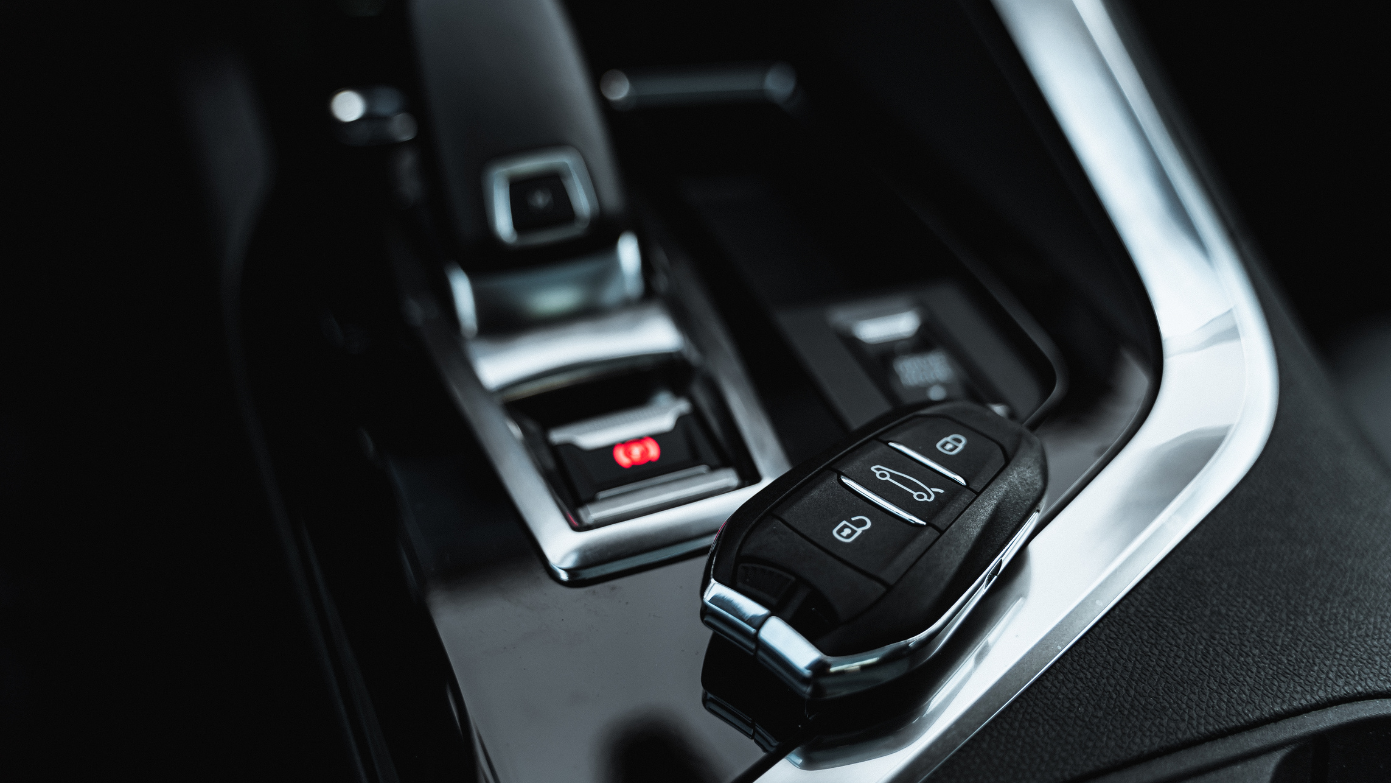
- The key fob constantly sends out a short-range signal.
- The car unlocks and starts when it “hears” that signal nearby.
- Thieves do not need your keys. They just need to copy or extend that signal.
Vehicle theft has risen by around 75% over the past decade, reversing years of decline, according to figures collated in this UK vehicle theft statistics summary. High-risk areas include parts of London, the West Midlands and other large urban centres.
How the £20k gadgets work
The devices highlighted by the BBC look like innocent tech – some even like games consoles or Bluetooth speakers.
Criminals use them in a few main ways:
- Relay attack devices
- One thief stands near your house or front wall.
- The gadget “grabs” the signal from your key inside.
- It relays that signal to a second device held next to your car.
- The car thinks the key is present, so it unlocks and starts.
- Thatcham Research’s guide to keyless entry vulnerability explains this in more detail.
- Key emulators and cloning tools
- Some devices pretend to be a genuine key.
- Others plug into the car’s onboard diagnostics to program a new key or bypass the immobiliser.
- Signal jammers
- Used to block tracking systems and, in some cases, stop your car from locking properly in the first place.
- The Home Office specifically mentions “signal jammers” and similar gadgets in its news story on banning vehicle theft equipment.
These tools are expensive, but gangs treat them as business assets. They:
- Share them between groups.
- Charge other criminals to “rent” them for a night.
- Make the money back quickly by stealing multiple high-value vehicles, a pattern highlighted in Crimestoppers’ briefing on electronic theft devices.
The bigger picture: organised crime
Keyless theft is not just local opportunist crime.
Behind the scenes, evidence from Thatcham and NaVCIS shows that:
- Organised crime groups coordinate thefts across regions.
- Stolen vehicles are often:
- Cloned and sold on with false identities.
- Broken up for parts to feed the global spares market.
- Shipped overseas in containers within hours of theft.
Premium SUVs, pickups and other high-value models are especially attractive.
New UK law on keyless theft devices
The government is bringing in new powers through the Crime and Policing Bill to tackle the gadgets themselves. You can read the official summary in the Home Office update on vehicle theft equipment to be banned.
The law will:
- Create new criminal offences for anyone who:
- Possesses
- Imports
- Makes or adapts
- Sells or offers to sell
- An electronic device designed for vehicle theft (for example, relay boxes, keyless repeaters, signal jammers). The detail is set out in the Crime and Policing Bill serious crime factsheet.
- Set a maximum penalty of 5 years in prison and an unlimited fine for these offences.
- Flip the burden of proof – if you are found with one of these devices, you must show a legitimate reason (for example, approved diagnostic equipment), as explained in a summary on CarCrime.uk’s factsheet.
What this means for you:
- It targets the supply chain of gadgets and the gangs using them.
- It does not remove the risk overnight – devices already in circulation will keep working.
- Drivers still need to protect their own vehicles.
Simple ways to protect your keyless car or van
You do not need to become a tech expert. A few simple habits, stacked together, make a real difference. The advice below is drawn from Thatcham Research’s car security tips, police guidance from Warwickshire Police, and the Nationwide Vehicle Contracts guide to keyless theft.
1. Protect your key signal
- Keep keys (and spares) in a Faraday pouch or signal-blocking box.
- Avoid leaving keys near doors, windows or external walls.
- Do not hang keys on hooks in the hallway.
2. Make sure the car actually locks
- Listen for the lock noise and watch the indicators flash.
- Gently try the door handle before walking away.
- If the car has “auto-lock”, do not rely on it alone – thieves can use jammers to block the lock signal.
3. Turn off keyless entry (if you can)
- Many models let you disable passive keyless entry in the menu or via your dealer.
- Check your handbook or ask the garage at your next service.
- The Master Locksmiths Association advice on keyless theft explains why this helps.
4. Add visible physical security
- Steering wheel lock or pedal lock.
- Wheel clamp or driveway bollard if you park at home.
- Good lighting and, if possible, CCTV or a video doorbell pointing at the car.
Police advice from forces such as West Mercia Police and the PSNI is clear: visible, old-fashioned security still works.
5. Use approved tracking and immobilisation
- Consider a Thatcham-approved tracker to help recover the vehicle if it is stolen – see the Thatcham security ratings and tracker advice.
- For higher-risk cars and vans, an aftermarket immobiliser or OBD-port blocker can stop some modern attacks.
- Always use reputable installers and check what your insurer recommends.
6. Park smart
- Use a locked garage if you have one.
- If you park on-street:
- Choose a well-lit, busy area.
- Avoid leaving valuables on show.
7. Keep software and apps up to date
- Accept security updates for in-car systems and connected apps.
- Pay attention to manufacturer recalls or security bulletins, especially for newer EVs and connected models – the car tech sections of sites like What Car? often report on these.
A quick note on insurance
Keyless theft is stressful enough on its own. It can feel even harder if you have previous claims, motoring convictions or a low no-claims bonus and you are worried about getting cover. We offer car insurance for people in difficult situations. You can find out more on our car insurance page.
Our latest articles.
The latest news and advice from our industry experts.